What I'm Currently Working On:
My PhD research in Exercise Physiology focuses on one central question:
What does muscle really tell us about health?
Muscle quality & performance
Using technologies such as DXA, bioimpedance spectroscopy, and electrical impedance myography, I study not just how much muscle someone has, but how well it functions. Muscle size alone doesn’t always reflect strength, performance, or overall health — muscle quality matters too.
Muscle, metabolism & health
My research explores how muscle function, body composition, and metabolic health interact, with the goal of improving how we identify health risk and understand human performance beyond traditional measures like body weight or BMI.
Smarter ways to assess health
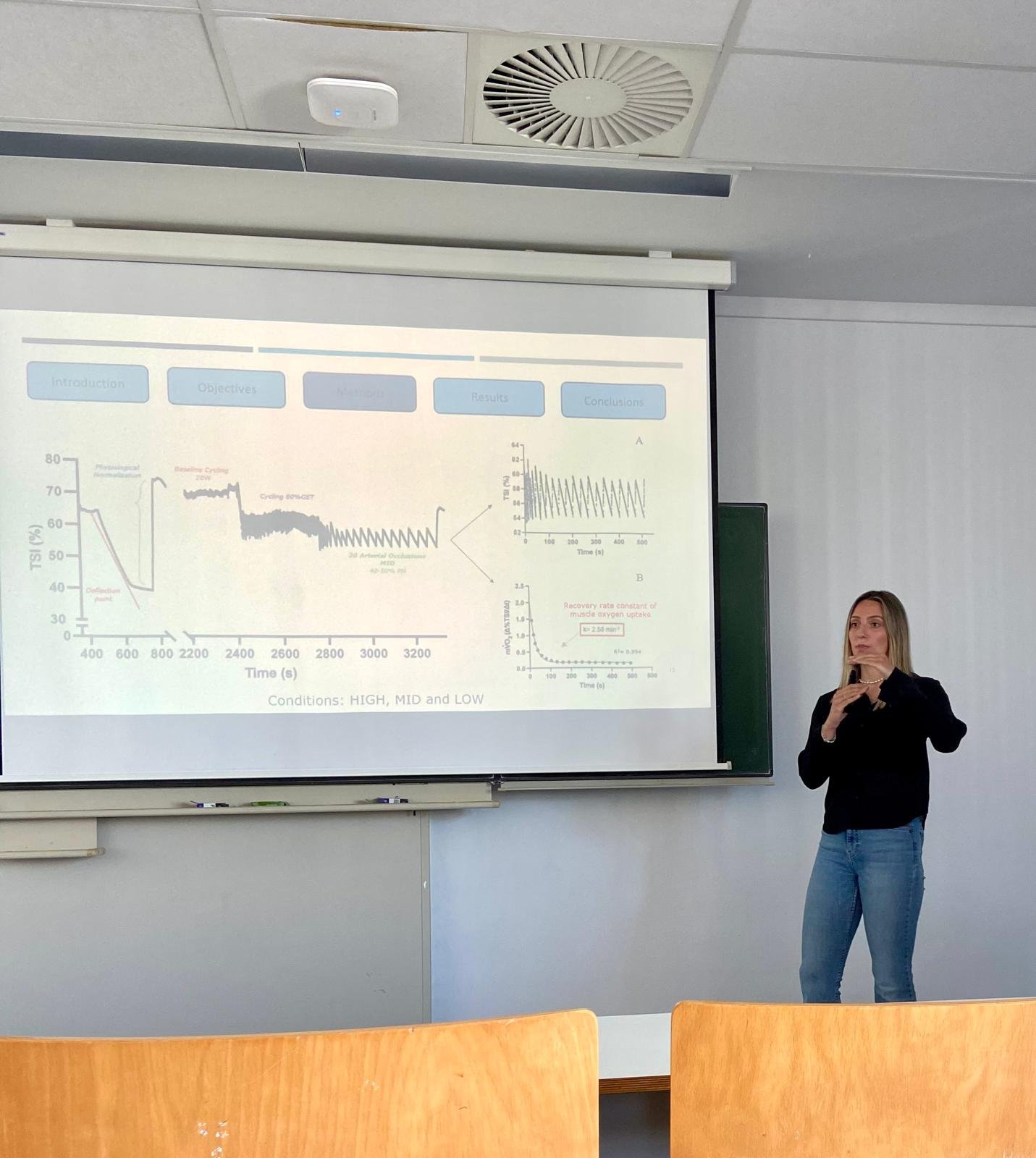
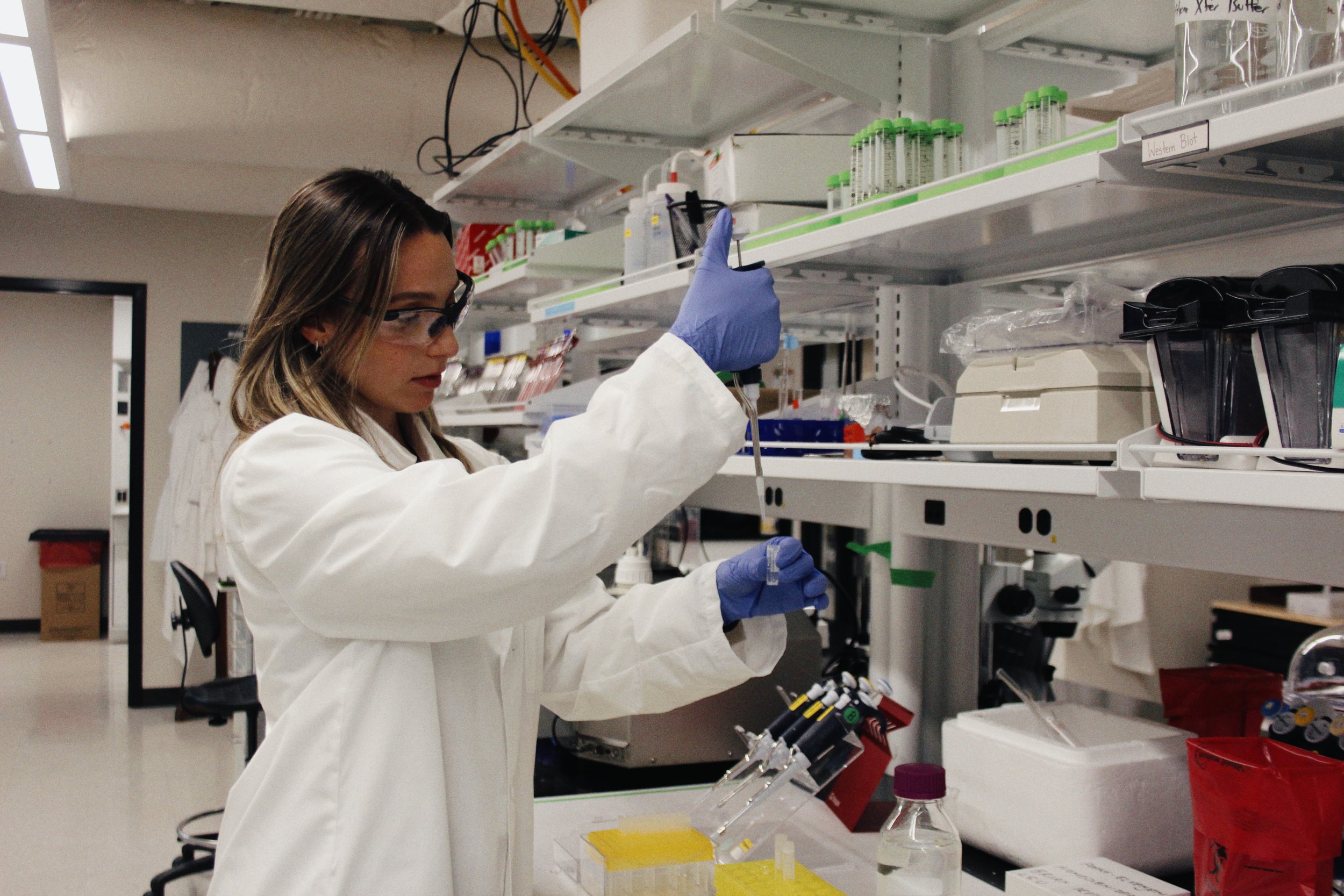
Part of my work focuses on evaluating faster, non-invasive tools for assessing muscle health and physical function using electrical impedance tools and near-infrared spectroscopy, helping make physiological assessment more practical and accessible in real-world and clinical settings.
Publications:
Estimating in vivo skeletal muscle oxidative and diffusive capacity via near infrared spectroscopy · Medicine & Science in Sports & Exercise · Oct 2025
Isokinetic vs. Hand-Held Dynamometry for Assessing Knee Flexor and Extensor Strength in Athletes: Evaluating a Low-Cost Alternative across the Range of Motion · Journal of Human Kinetics · Sep 2025
Angle-specific hamstrings to quadriceps ratios: Effects of hip joint angle and type of muscle action · Medicine & Science in Sports & Exercise · May 2024
Evaluation of the force-angle relationship of the knee joint using different measurement systems · Sports · Oct 2023
Conference Presentations:
Effect of a post-activation exercise on single-leg horizontal jumping ability · 29th International Congress of Physical Education and Sports Science · May 2021
Research Background
Christina has been involved in multiple research projects spanning exercise physiology, human performance, biomechanics, aging, and muscle health. Her work combines applied sport science with translational physiology, with a particular interest in how muscle function relates to performance, metabolic health, and long-term quality of life.
Her early research focused on knee joint biomechanics and force-angle relationships using different strength assessment systems in athletes. This work aimed to improve the understanding of muscle function across the knee joint’s full range of motion and challenge traditional injury risk norms, while contributing to the development of more accessible and cost-effective strength assessment methods.
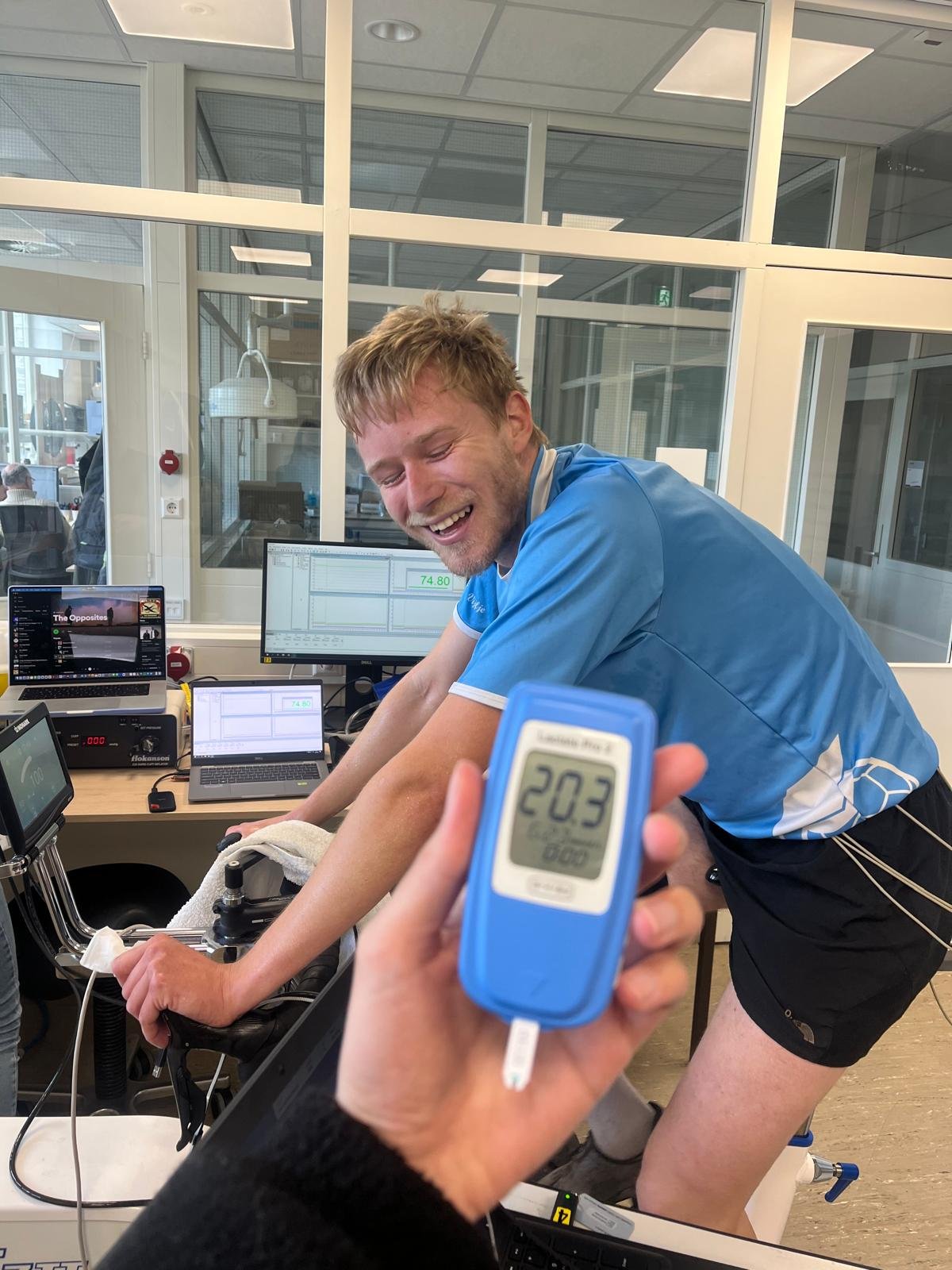
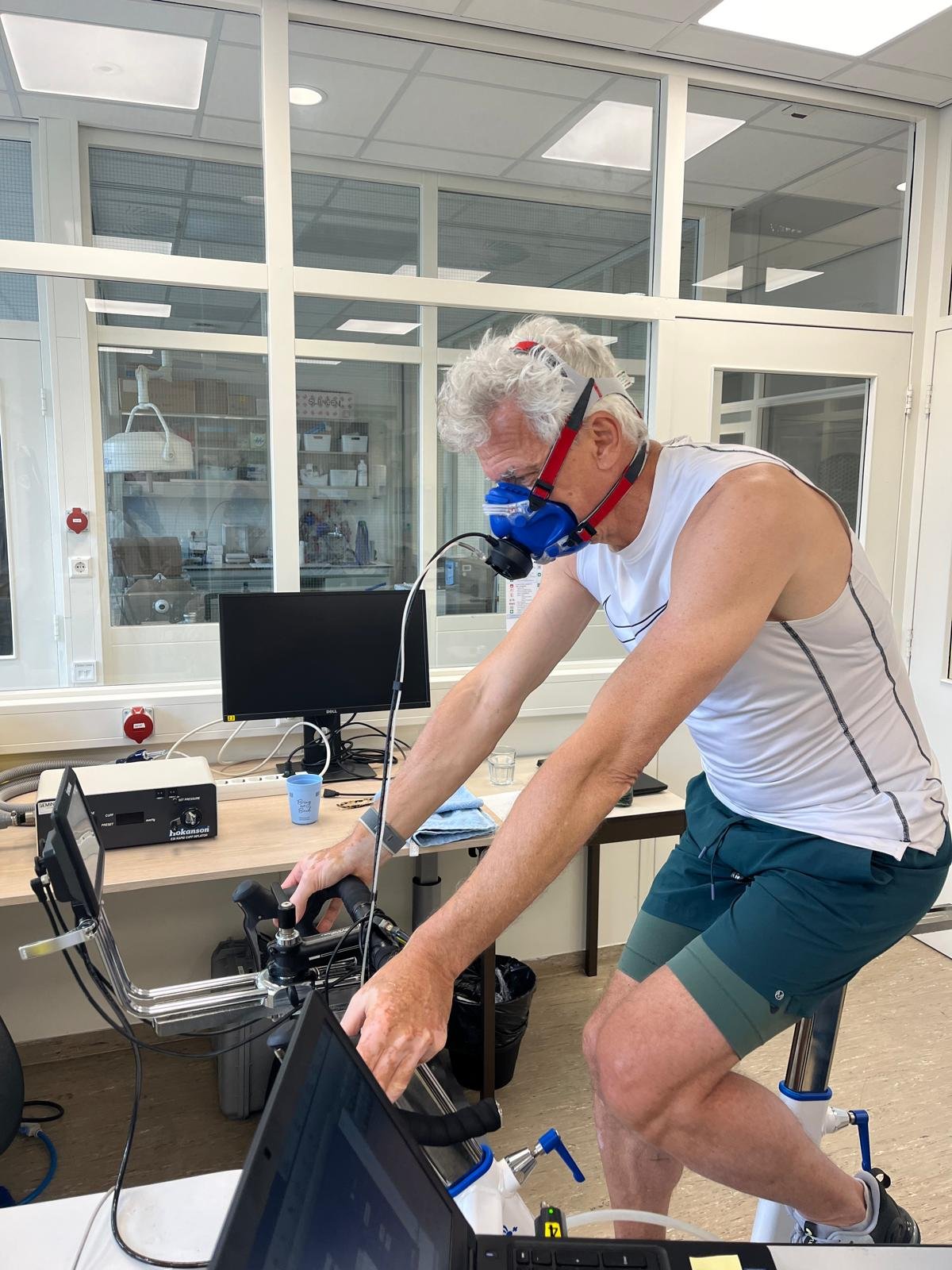
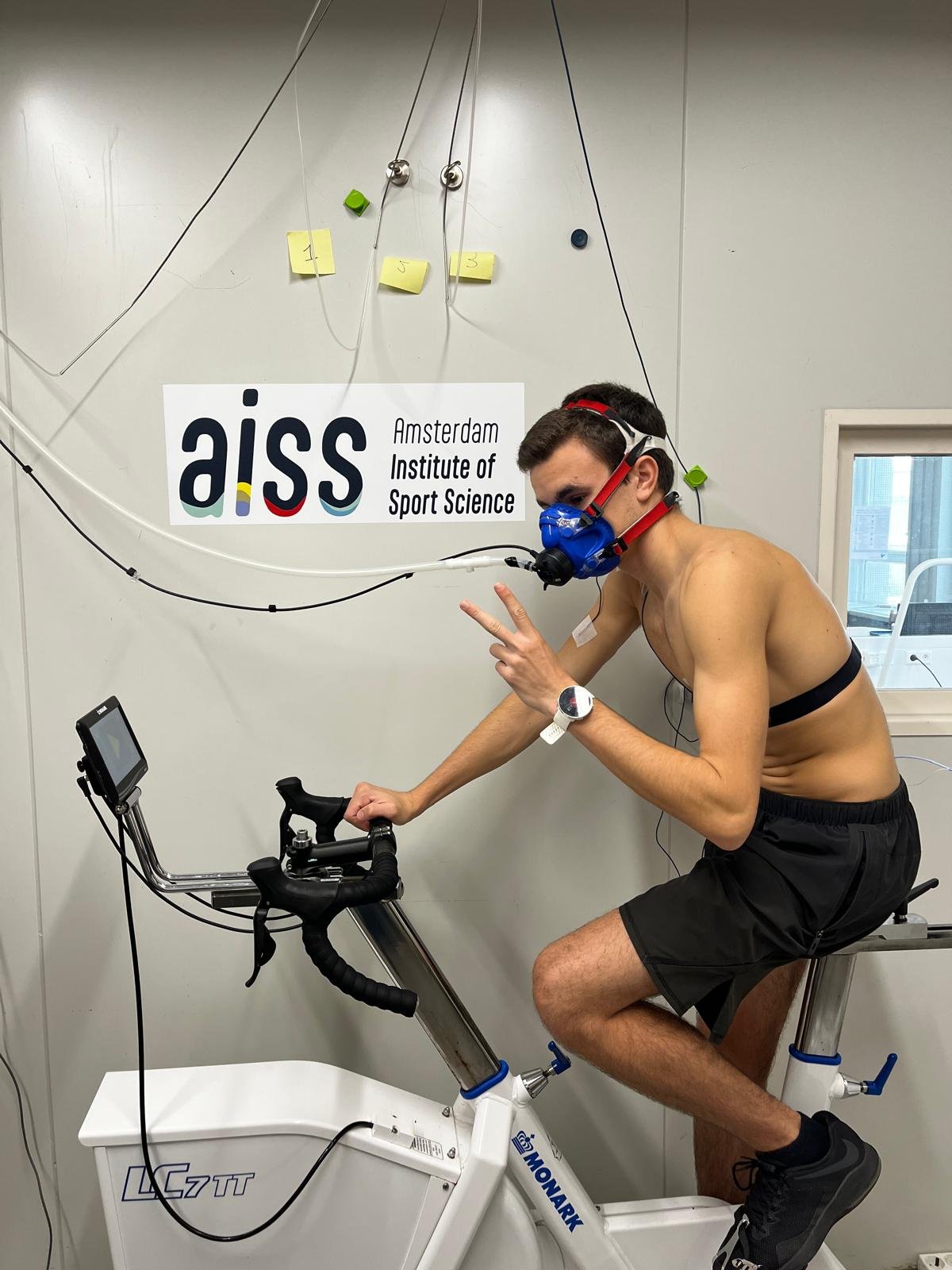
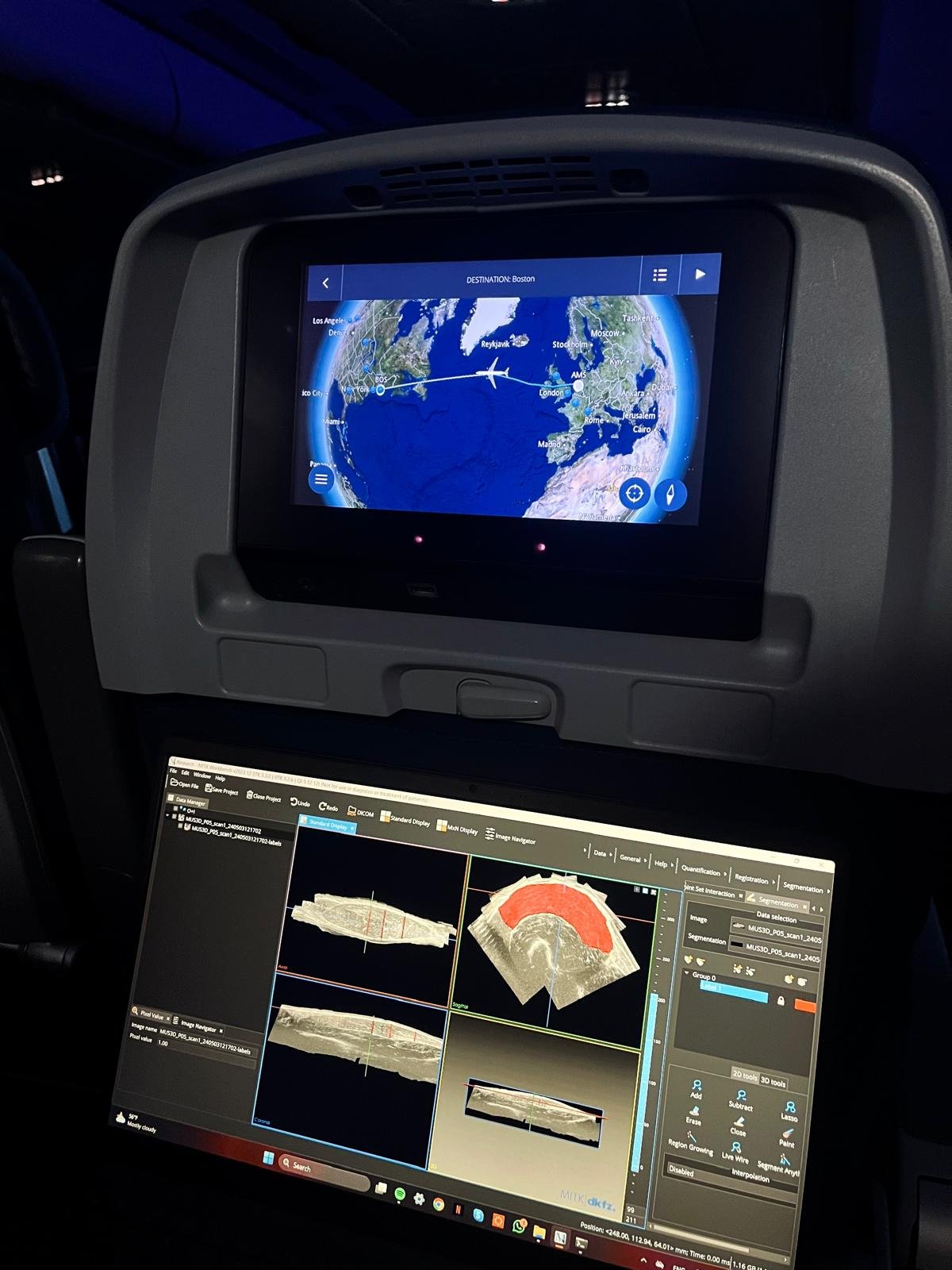
During her graduate research in the Netherlands, Christina contributed to projects investigating skeletal muscle mitochondrial health, physical capacity, and aging. Her work examined how endurance exercise training may mitigate age-related declines in muscle function and metabolic health using methodologies such as 3D ultrasound, dynamometry, cardiopulmonary exercise testing, near-infrared spectroscopy, and body composition analysis.
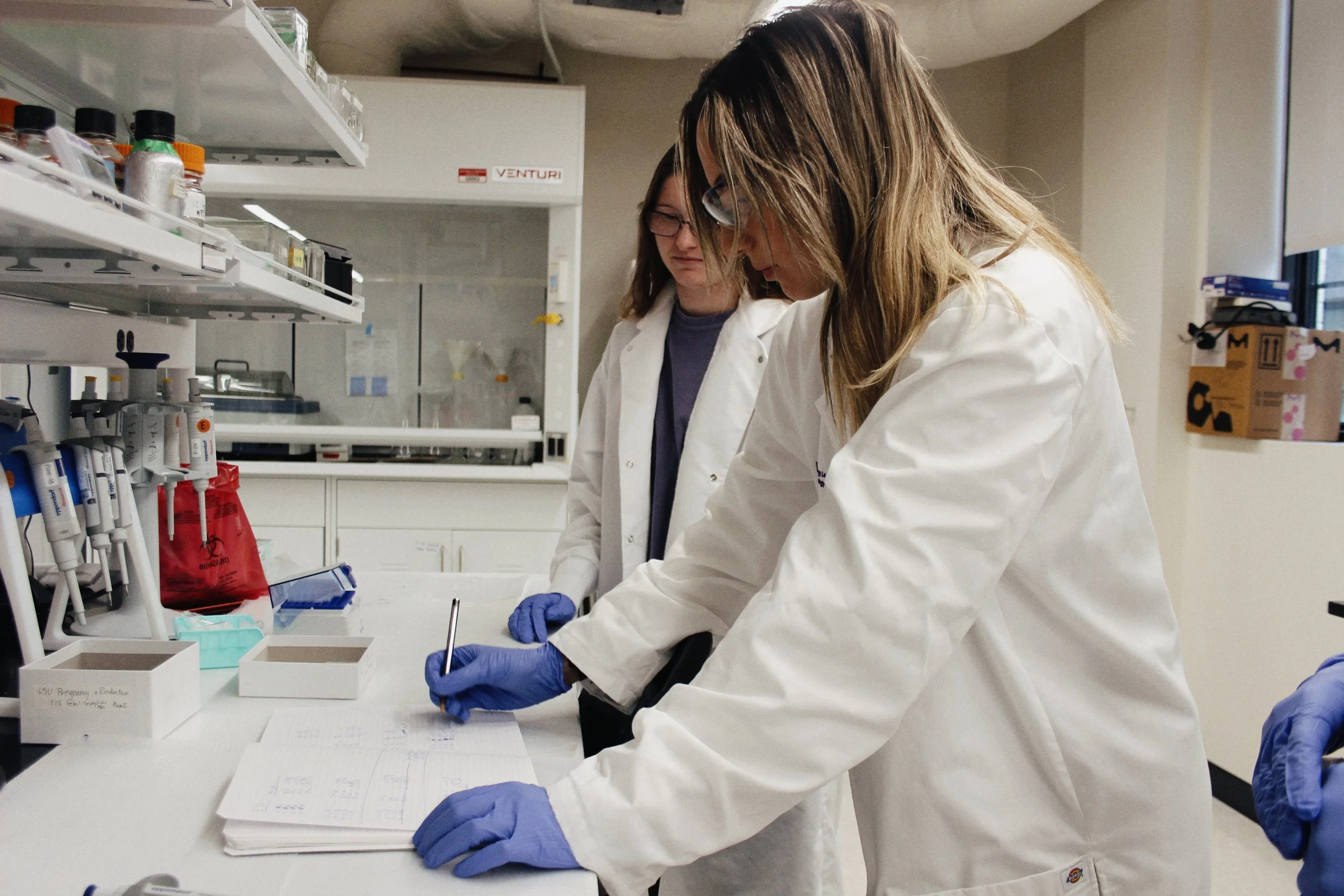
Christina is currently a PhD researcher in Exercise Physiology at the University of Virginia under Dr. Brian Irving, where her research focuses on muscle quality, body composition, and human performance using technologies such as DXA, bioimpedance spectroscopy, electrical impedance myography, and advanced statistical modeling. Her current work aims to better understand how muscle function relates to health, performance, obesity, and aging, while evaluating practical and non-invasive approaches for physiological assessment.
Her long term goal is to help people use the abundance of physiological data available to them to make simple and meaningful decisions that improve their habits, health and performance.